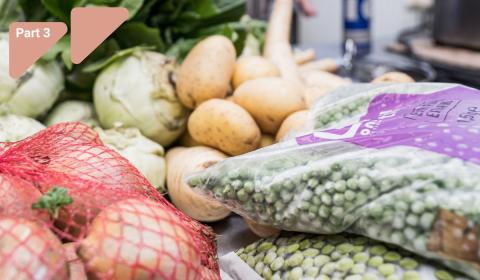
Image source: os4os, B. Braun
What’s on our plates and how it affects our health?
Europeans’ eating habits tell a story of balance—but also of gaps. Many enjoy staples like potatoes, eggs, poultry, and plant-based oils, yet vegetables, whole grains, and reducing sugar are often missing from the plate. In Southern Europe, traditional eating habits bring slightly better outcomes: fresh vegetables, fruits, legumes, and olive oil feature more often at the table, though still not enough to fully meet ideal dietary recommendations. Other regions struggle with consistently including legumes, fish, or whole grains. Overall, while many Europeans believe they eat a healthy and sustainable diet most of the time, reality shows there is still room for improvement.
What Drives Food Choices?
Eating decisions are influenced by a mix of habit, convenience, and pleasure. People often select foods they know, that are easy to prepare, and that appeal to their senses. Family routines, store availability, and even package size subtly guide choices. Health, sustainability, and ethical concerns also matter: some are drawn to clear ingredient lists, locally sourced or seasonal products, and eco-friendly packaging, while others focus on nutritional value or country of origin.
Regional and Personal Differences
Culture, lifestyle, and social norms create fascinating differences across Europe. Southern Europeans place high value on seasonality, local ingredients, and food traditions. In Scandinavian and Anglo-Saxon regions, convenience and availability often guide choices. Education and income also influence priorities: people with higher education tend to consider nutrition, origin, and sustainability, while those managing tighter budgets focus on affordability, familiarity, and taste. Women are generally more attentive to environmental and ethical factors, while men place slightly more emphasis on religious considerations.
How Do People Learn About Food?
Information comes from many sources—family environment, online resources, supermarket labels, friends, and health professionals. People who consult reliable sources like health experts, official guidelines, or trusted media tend to make choices that support healthier and more sustainable diets. Family and peer influences often reinforce familiar habits, highlighting the role of social context in daily food choices.
Where Do We Get Our Food?
Supermarkets are the most common destination for groceries, whether sticking to a familiar store or visiting a couple to find the right products. Some explore independent stores or local markets for fresher or specialty items, while others turn to online shopping or even buying directly from farmers. A few rely on community food banks or larders, reflecting both access and local support networks. Home Cooking Remains the Heart of Meals
Most meals are prepared and eaten at home while ready-made meals, takeaways, meal delivery, dining at restaurants, or canteens happen occasionally. Anyway home-cooked meals remain the foundation for everyday diets. These meals allow people to balance health, taste, and convenience, and create the perfect opportunity to build more sustainable habits in everyday life.
Small Choices, Big Impacts
Even subtle shifts—adding more vegetables, choosing seasonal or locally sourced ingredients, or reducing sugar—can make a difference when repeated across households. Europeans’ food habits show that everyday choices matter, and small, practical steps can collectively shape a healthier, more sustainable food system.
This Is Just the Second Step!
We’ve only just begun to explore Europeans’ food habits. In the upcoming posts, we’ll dive deeper into the barriers and motivators influencing healthier and more sustainable choices, and share practical insights on how small changes can lead to a healthier, fairer, and more sustainable food system. Keep following the FEAST series—you won’t want to miss what’s coming next!